
TECHNOLOGIES

OpenAI

OpenAI brings advanced language, reasoning and multimodal capabilities into everyday business processes. Adaptiv helps you apply these capabilities to your own data, systems and workflows, with the integration, security and governance needed for enterprise use.

Put OpenAI to work across your organisation

A successful AI initiative needs more than access to a model. It needs reliable data, clear business rules, secure connections to enterprise systems and a practical way to measure performance.

Adaptiv designs and delivers OpenAI solutions that fit your technology environment and operating model. We help you identify useful opportunities, prepare the data and integration foundations, build and test the solution, and establish the controls your teams need to use it with confidence.

From knowledge assistants and document processing to workflow automation and intelligent customer experiences, we focus on use cases that solve a defined problem and can move safely into production.

About OpenAI

Enterprise AI connected to your data and workflows

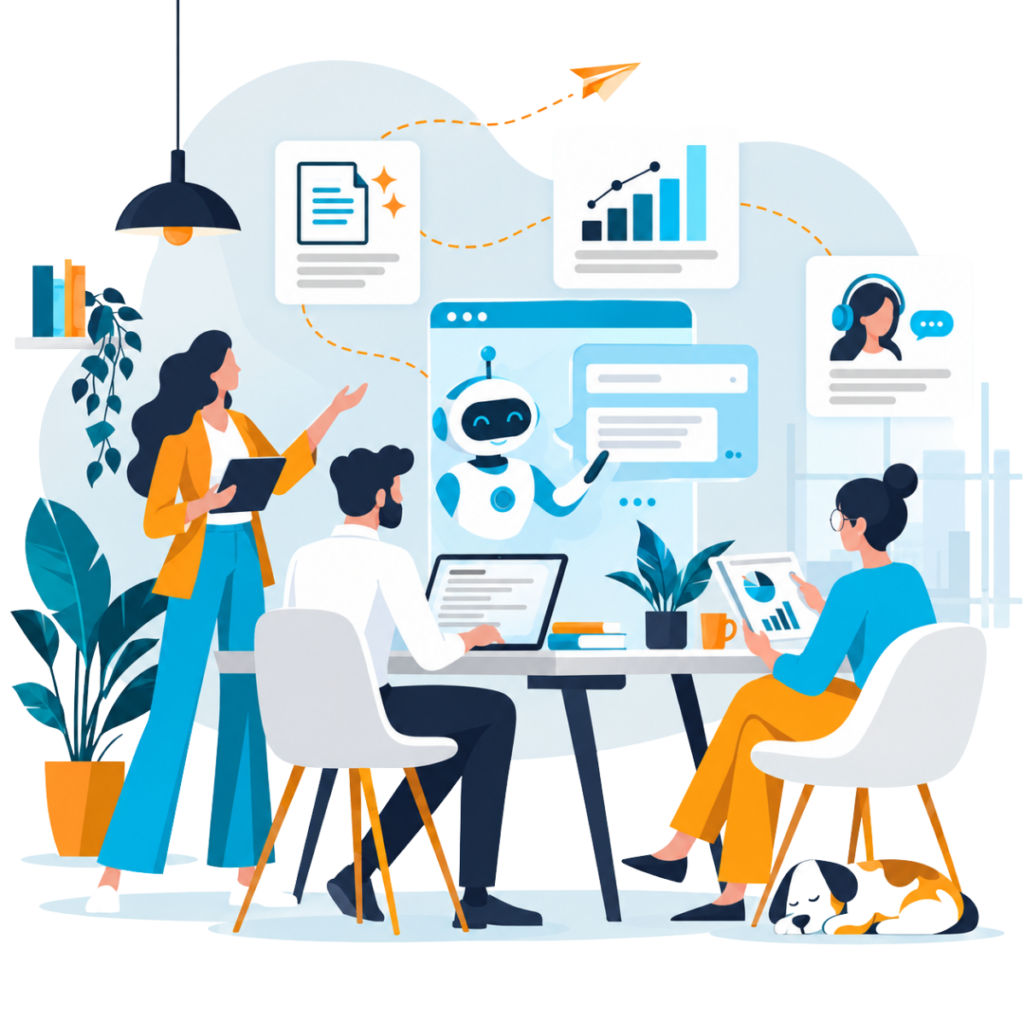
OpenAI models can understand and generate text, work with images and files, reason across complex information, and use tools to complete multi-step tasks. Adaptiv connects those capabilities to the systems and governed data that run your organisation.

Generative AI applications

Create secure assistants and applications for drafting, research, summarisation, analysis and customer or employee support.
1
Generative AI applications
Create secure assistants and applications for drafting, research, summarisation, analysis and customer or employee support.
2
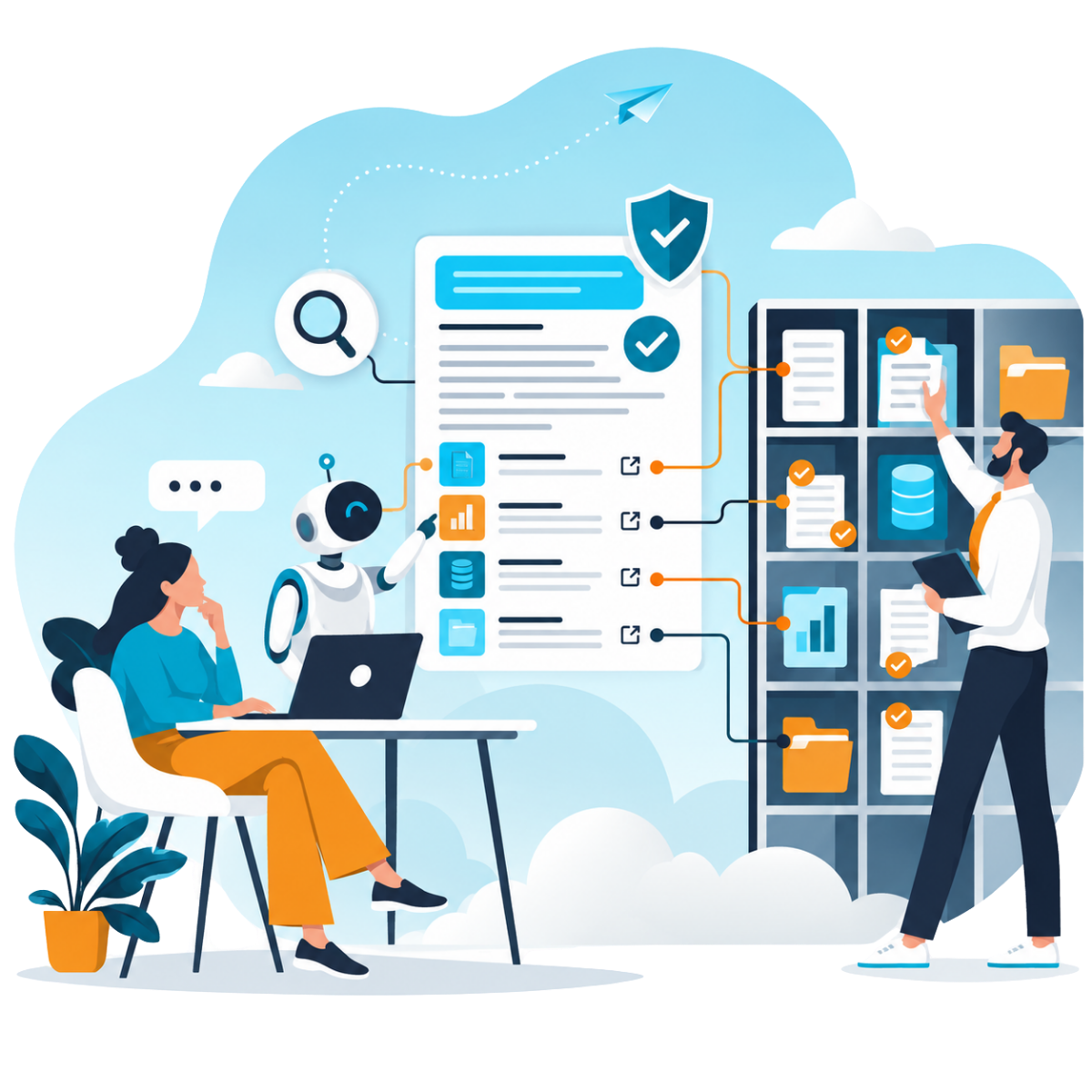
Knowledge grounded responses
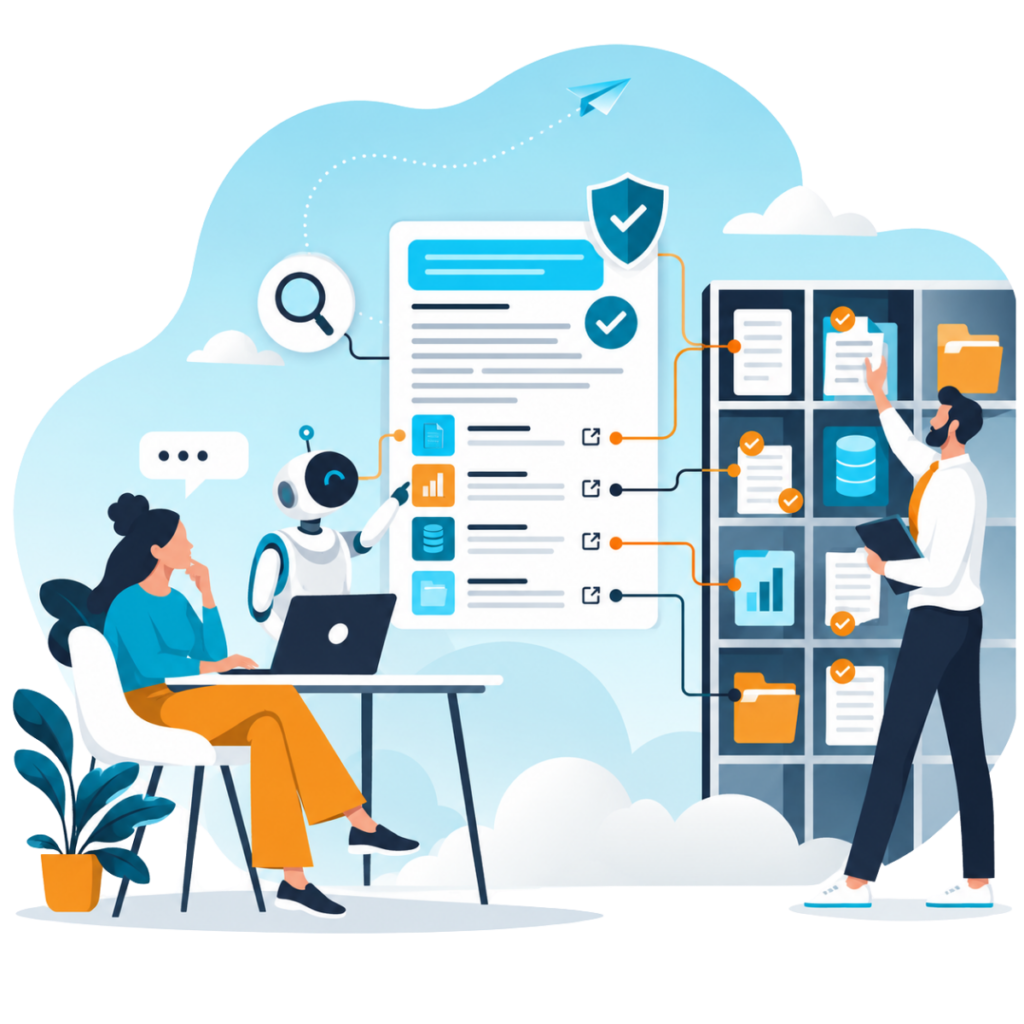
Connect AI experiences to approved internal content so users receive answers based on the information your organisation trusts.
3
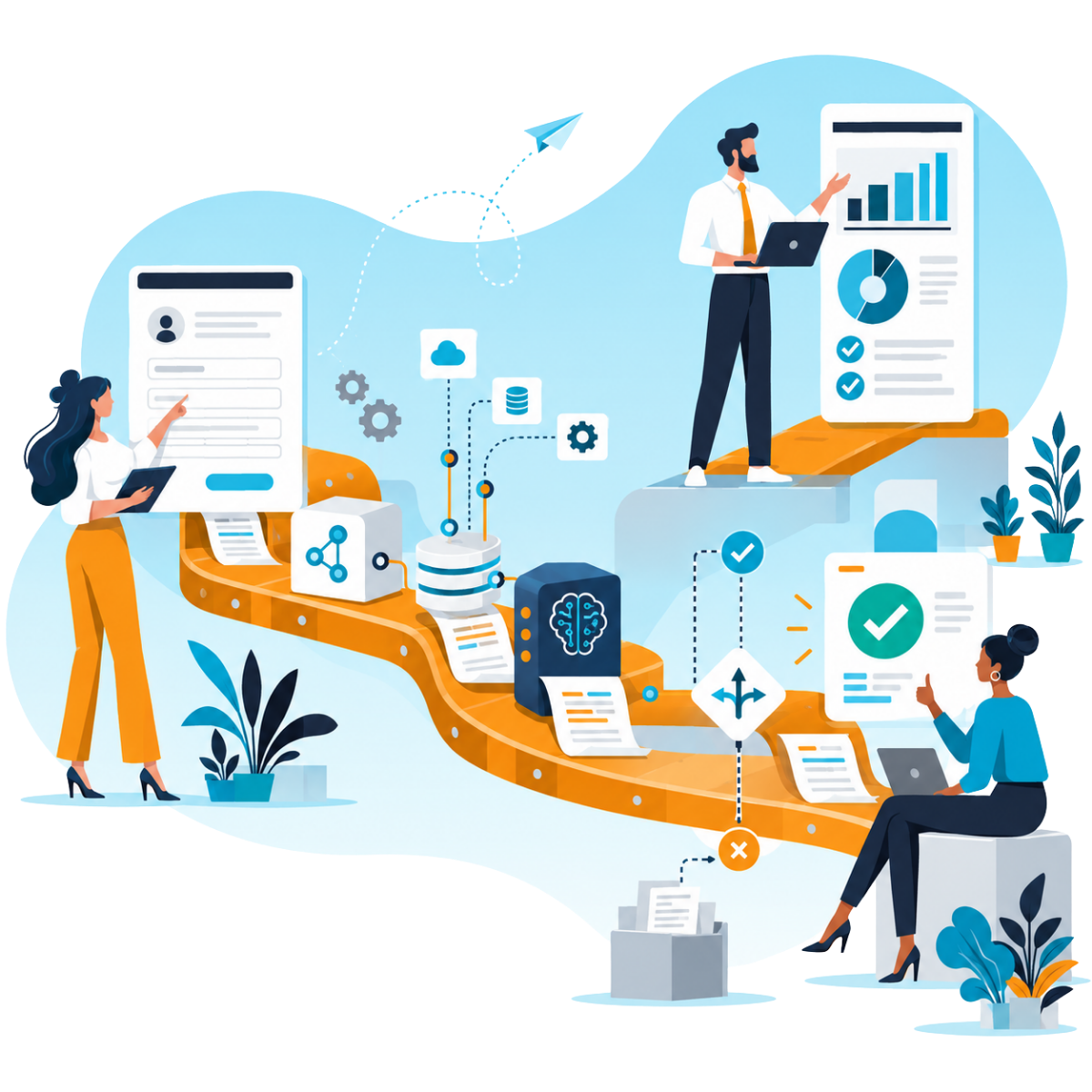
Intelligent workflow automation
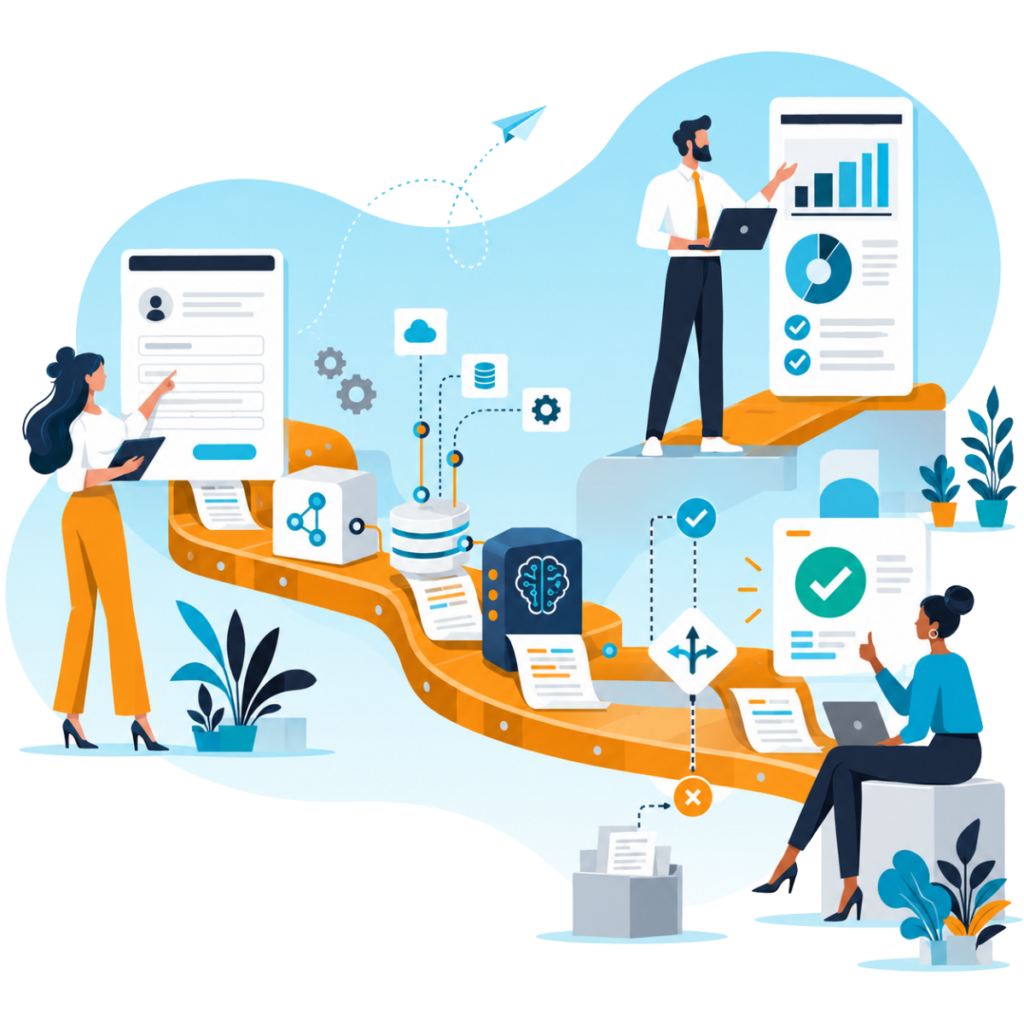
Combine OpenAI with APIs, integration platforms and business rules to classify requests, extract information, route work and trigger actions.
4
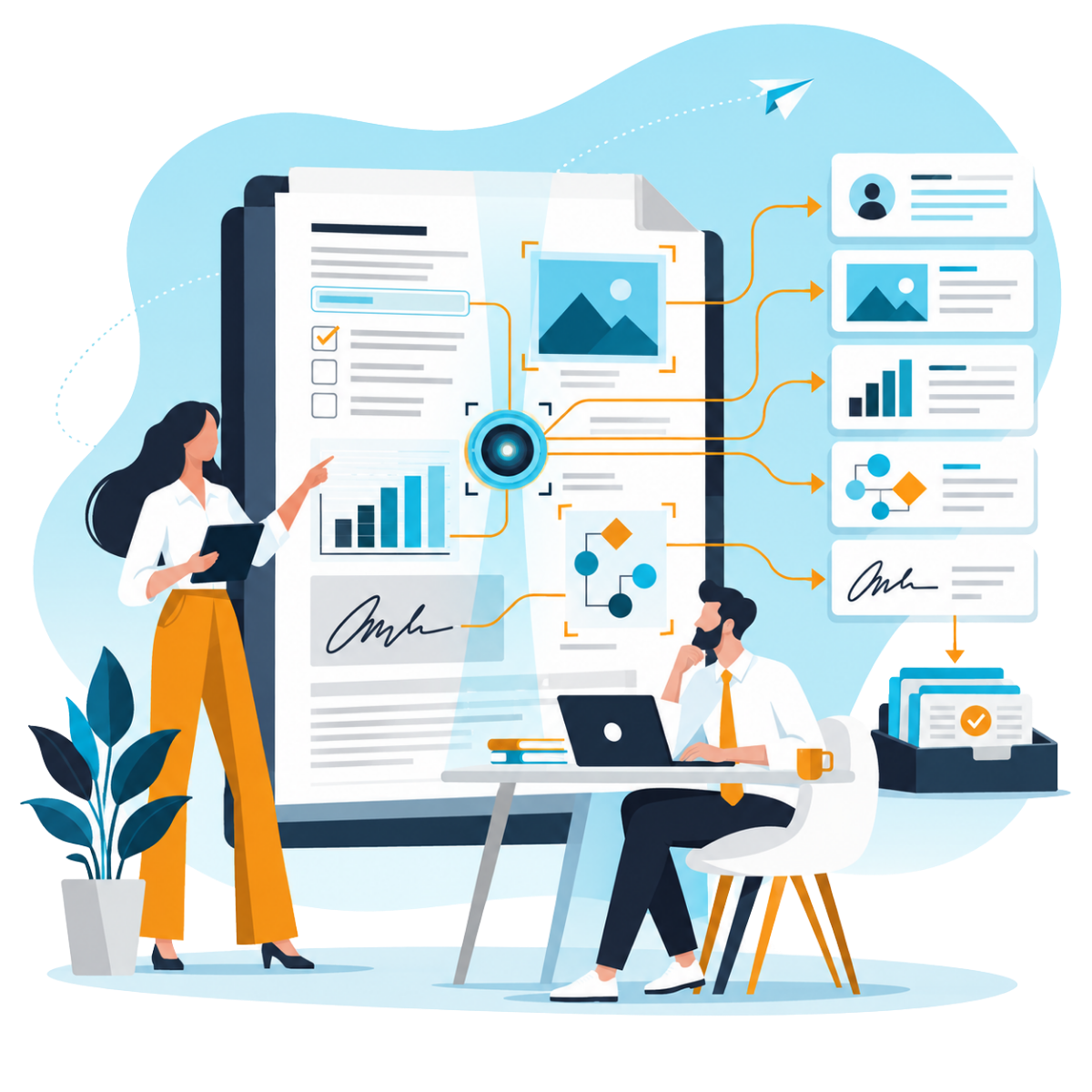
Multimodal document processing
Use text and image understanding to interpret documents, forms, diagrams and other unstructured content within a controlled workflow.
5
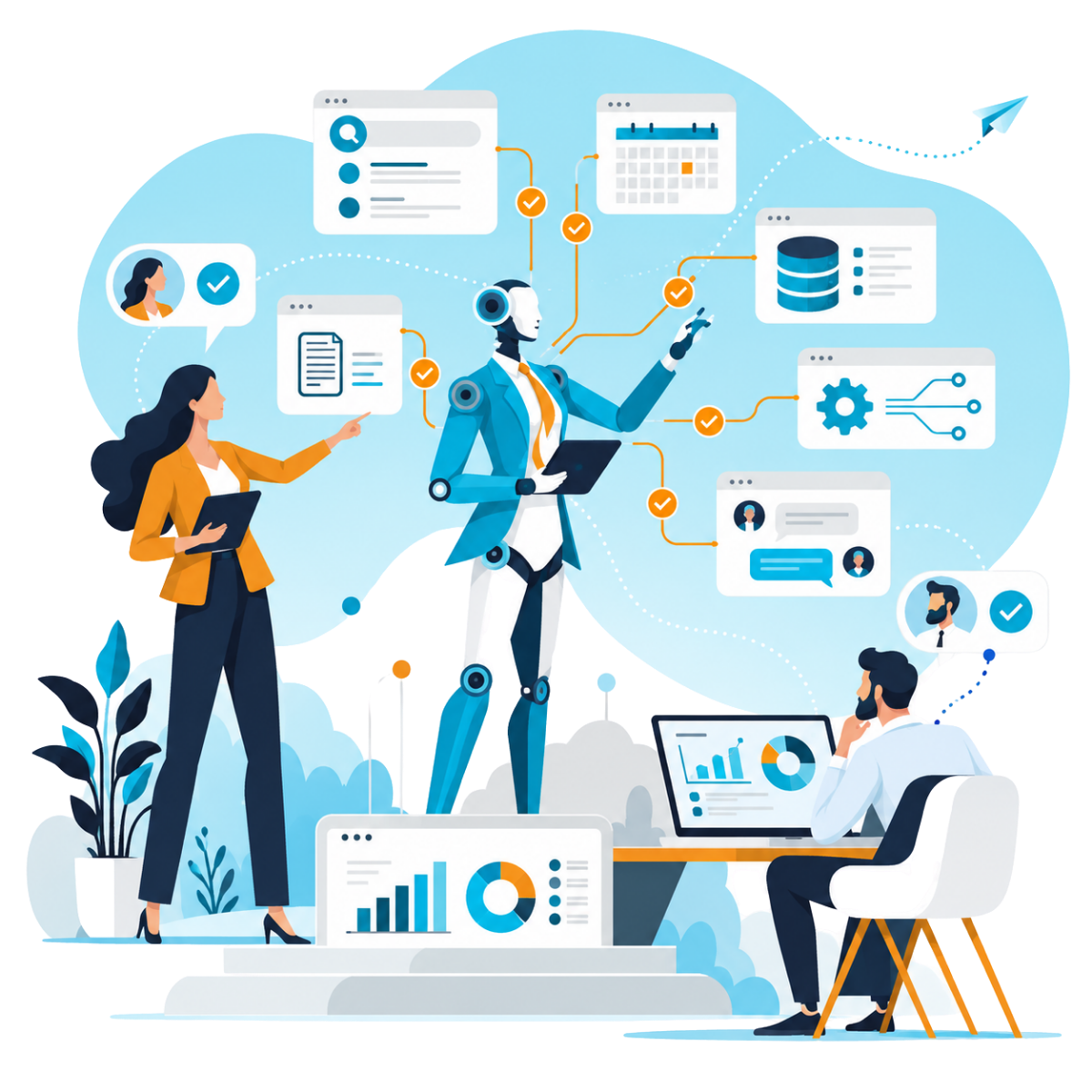
AI agents and tool use
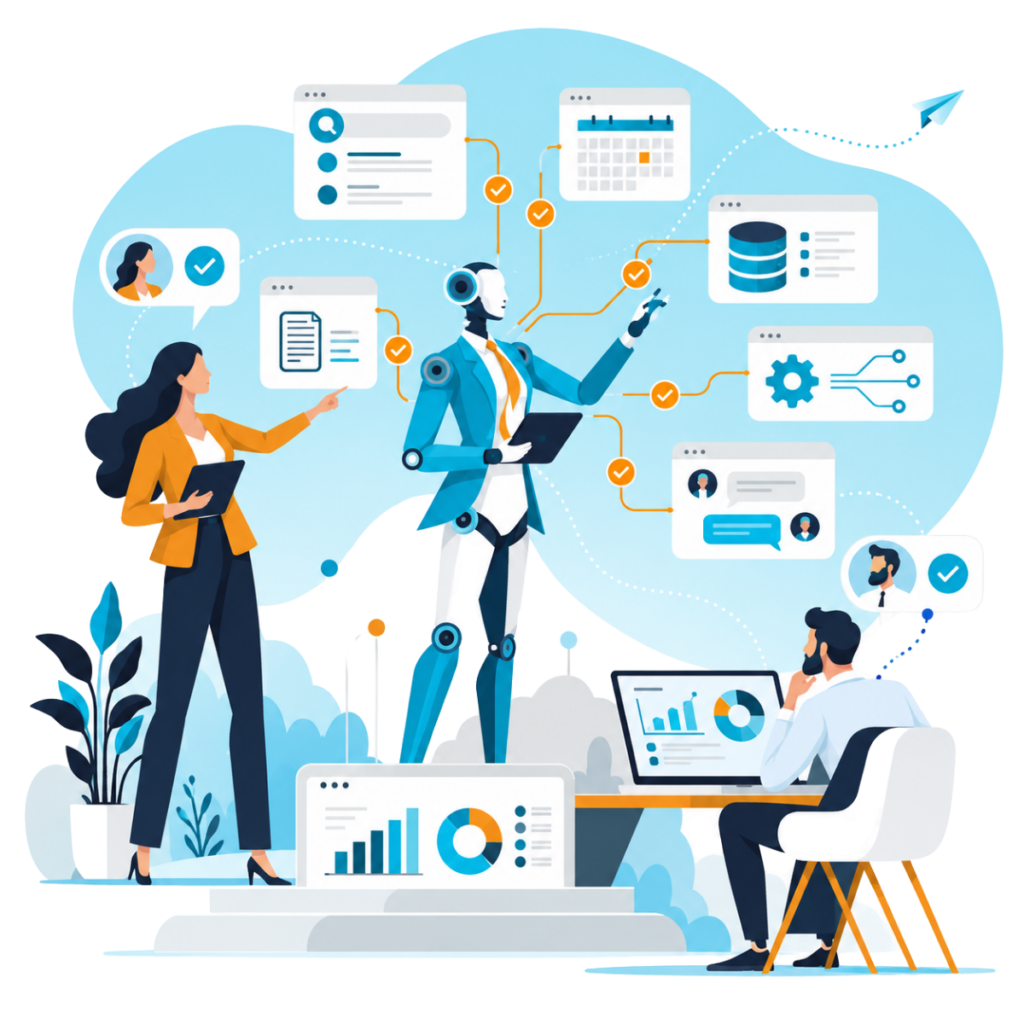
Design agents that can find information, call approved tools and complete defined tasks with human oversight where it matters.

6
Security governance and evaluation
Apply access controls, content safeguards, auditability and repeatable testing so quality, cost and risk remain visible throughout delivery.


Modern Cloud Integration

Build scalable integrations using Azure services like Logic Apps, Service Bus, Functions, and API Management.

Microsoft Ecosystem Alignment

Get more value from Microsoft technologies by connecting Dynamics 365, Microsoft 365, Azure, and enterprise applications together.

Real-Time Data and Events

Enable real-time communication between systems using event-driven integration patterns and Azure messaging services.

DevOps and Automation Support

Support modern delivery practices with automated deployments, CI/CD pipelines, and infrastructure built for operational scalability.

Ready for AI and Data Platforms

Connect systems and data across Azure AI, analytics, and automation services to support future digital initiatives.
The best of OpenAI

Go further with OpenAI and Adaptiv

Microsoft Azure

Deploy AI solutions within a scalable cloud foundation and connect them to Azure integration, security and monitoring services.

Microsoft Fabric

Prepare, govern and activate enterprise data for AI use cases across analytics, engineering and business intelligence.

Databricks

Build governed data and AI workflows that combine enterprise information, machine learning and generative AI.

MuleSoft

Give AI applications secure, reusable access to business capabilities through managed APIs and enterprise integration.

Boomi

Connect OpenAI-enabled processes to applications and data across cloud and on-premises environments.
OUR SERVICES

Data Maturity Assessment

Data Portfolio Assessment

Testimonials

What our customers are saying

Case Studies

Success stories

to rebuild, down from 14 days
2 Hours
to rebuild, down from 14 days
2 Hours
WHY CHOOSE US

Platform Agnostic

We are not tied to any vendor platform. Our recommendations are driven by what is right for you.

Specialists, not generalists

Integration, data and AI is all we do. You benefit from our deep focused expertise.

Strategy to support

Advisory, implementation and managed services – a single partner across the full lifecycle.

Long-term partnership

We don’t believe in vendor lock-in. We enable your team to operate and evolve the solution we build for you, independently.

Proven track record

Working with enterprises across banking and government to agriculture, we’re trusted by some of the best.

FAQs

OpenAI provides artificial intelligence models that can understand and generate text, analyse images and documents, write code, retrieve information and complete multi-step tasks. Businesses can use these capabilities for employee assistants, customer support, document processing, enterprise search, content creation and workflow automation.

Adaptiv helps organisations assess AI readiness, select viable use cases, design the required architecture and integrate OpenAI with existing data and business systems. We can support proofs of value, production implementation, governance, evaluation and the ongoing operation of AI-enabled solutions.

Yes. OpenAI applications can connect with CRM, ERP, document management, data platforms and other enterprise systems through APIs and integration platforms. Adaptiv designs secure connections using technologies such as Microsoft Azure, Microsoft Fabric, Databricks, MuleSoft and Boomi.

An OpenAI application can retrieve information from approved internal sources and use it to produce responses grounded in your organisation’s content. The solution should preserve user permissions, restrict access to authorised sources and show where important information came from.

Retrieval augmented generation, often called RAG, allows an AI application to search approved business information before producing an answer. This approach helps the application provide responses based on current policies, documents and knowledge repositories instead of relying only on the model’s general knowledge.

OpenAI can classify requests, extract information from documents, summarise cases, draft responses and select the next step in a process. Adaptiv connects these capabilities to APIs, business rules and integration platforms so each output reaches the right system or person for review.

OpenAI agents are AI applications that can retrieve information, use approved tools and complete defined tasks. An agent might check a customer record, analyse a document and prepare an action for approval. Effective agents need limited permissions, reliable error handling, activity logs and human approval for higher-risk decisions.

Adaptiv defines measurable acceptance criteria and tests the solution against representative business scenarios. Controls can include grounding responses in approved content, requiring source references, validating outputs against business rules, limiting available tools and requiring human approval before important actions.

Security depends on both the OpenAI service and the surrounding application architecture. A production solution should use identity controls, least-privilege access, encryption, audit logging, data classification and monitoring. Adaptiv works with your security and governance teams to apply controls that match the information and workflows involved.

Get in touch with our team, today